Cracking AI's Black Boxes
 Yael Meretyk Hanan3 min
Generative AI models often feel like opaque technology. This article explores how they work and their practical applications in construction, helping teams leverage these tools effectively.
What Are Generative Models?
Generative models are AI systems that create new content by learning from existing data. Think of them as the ultimate apprentices who have absorbed the knowledge and experience of countless experts across various domains. Two primary types dominate current development:
Large Language Models (LLMs)
These systems, exemplified by GPT-4, train on extensive text datasets to understand and produce human-like language. In construction contexts, they excel at summarizing complex documents, generating proposals, and drafting RFIs and RFPs. Benefits include time savings and reduced error rates.
Diffusion Models
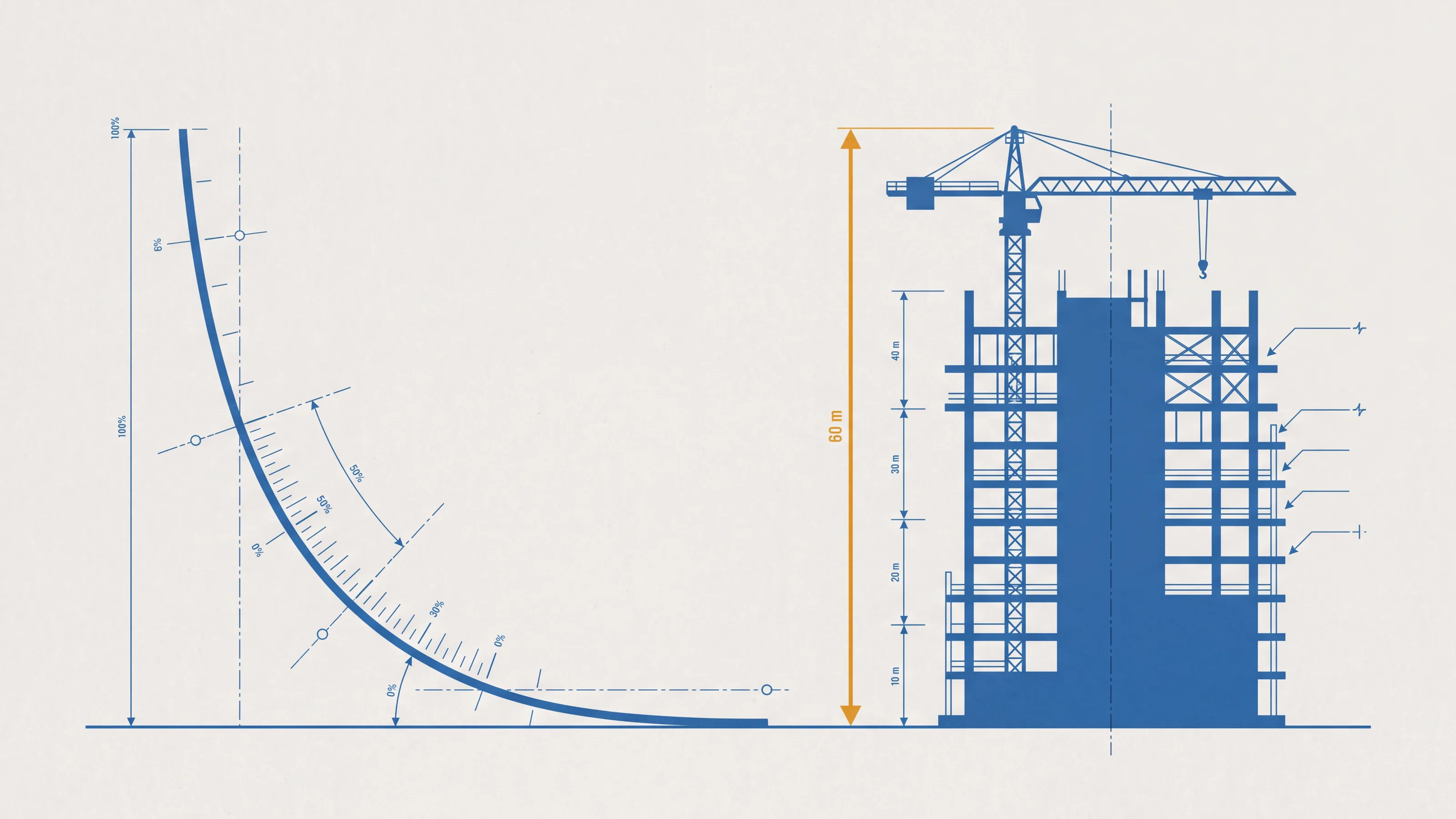
These focus on visual content generation, enhancing an image iteratively, much like going iteratively from LOD 100 into a 500 masterpiece. They enable rapid design prototyping and exploration of multiple variations for equipment positioning and routing paths.
Getting the Most Out of Generative Models
Clear Inputs Are Key
The quality of AI output is only as good as the input it receives. Detailed, specific prompts with contextual guidance yield superior results.
Embrace Iterative Refinement
Models benefit from feedback loops where users evaluate outputs, refine inputs, and iterate until reaching desired standards.
Keep the Human Touch
Human review remains essential to verify accuracy, contextual relevance, and project alignment.
Conclusion
Generative models represent transformative tools rather than mere novelties, capable of improving efficiency and reducing errors in construction workflows. However, current models may require supplemental approaches for complex construction tasks.