Beyond the Prompt — From On-Demand to Always-On
 Matan WekslerJun 8, 20258 min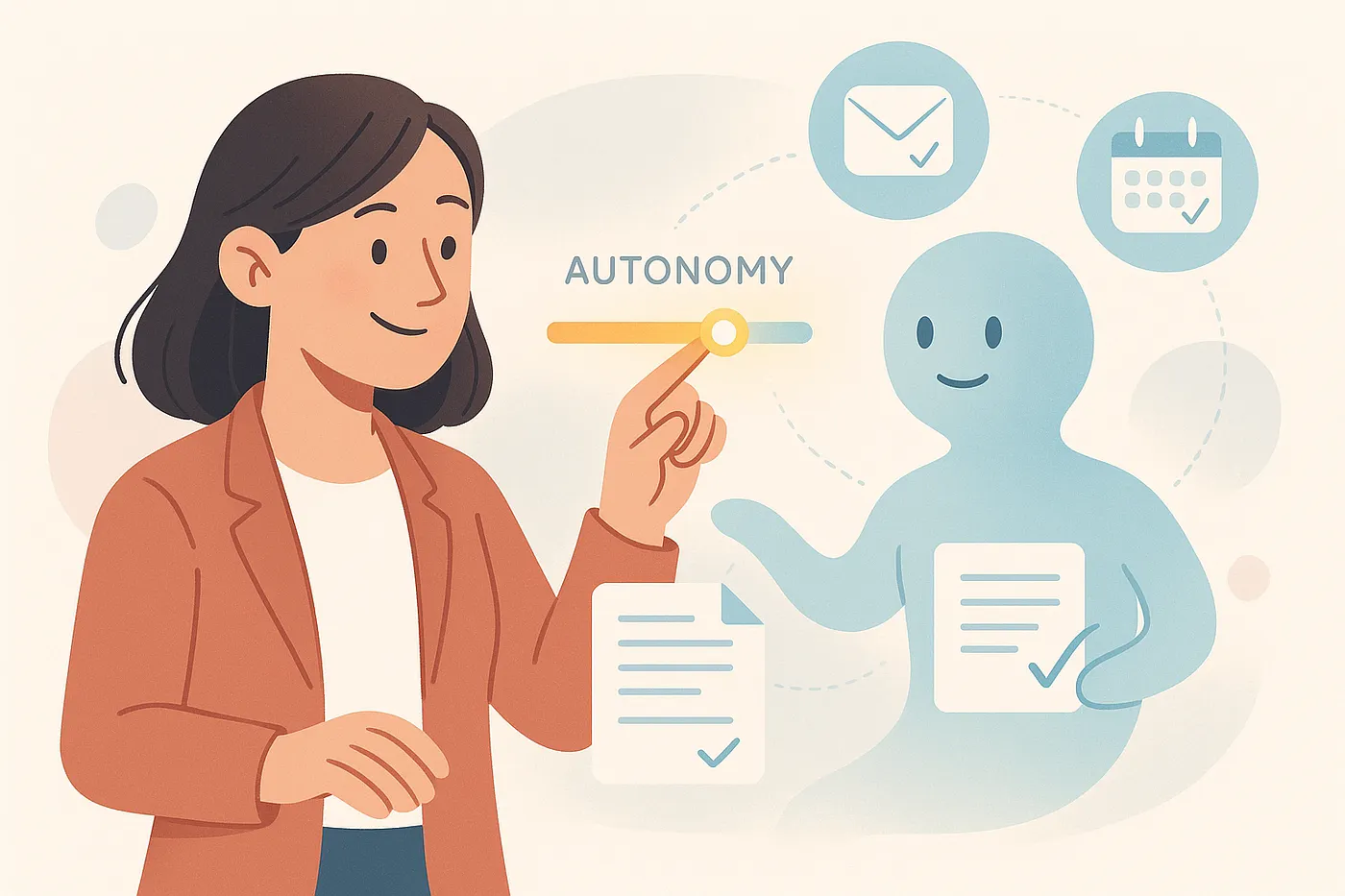
The "Iron Man Suit" principle tells us that successful AI tools augment rather than replace humans. However, this reactive, command-driven approach only hints at AI's real potential. How do we evolve from task-based tools into something more integrated: an Ambient AI Agent functioning as a persistent presence that works alongside you rather than waiting passively for commands?

From Reactive Tool to Proactive Partner
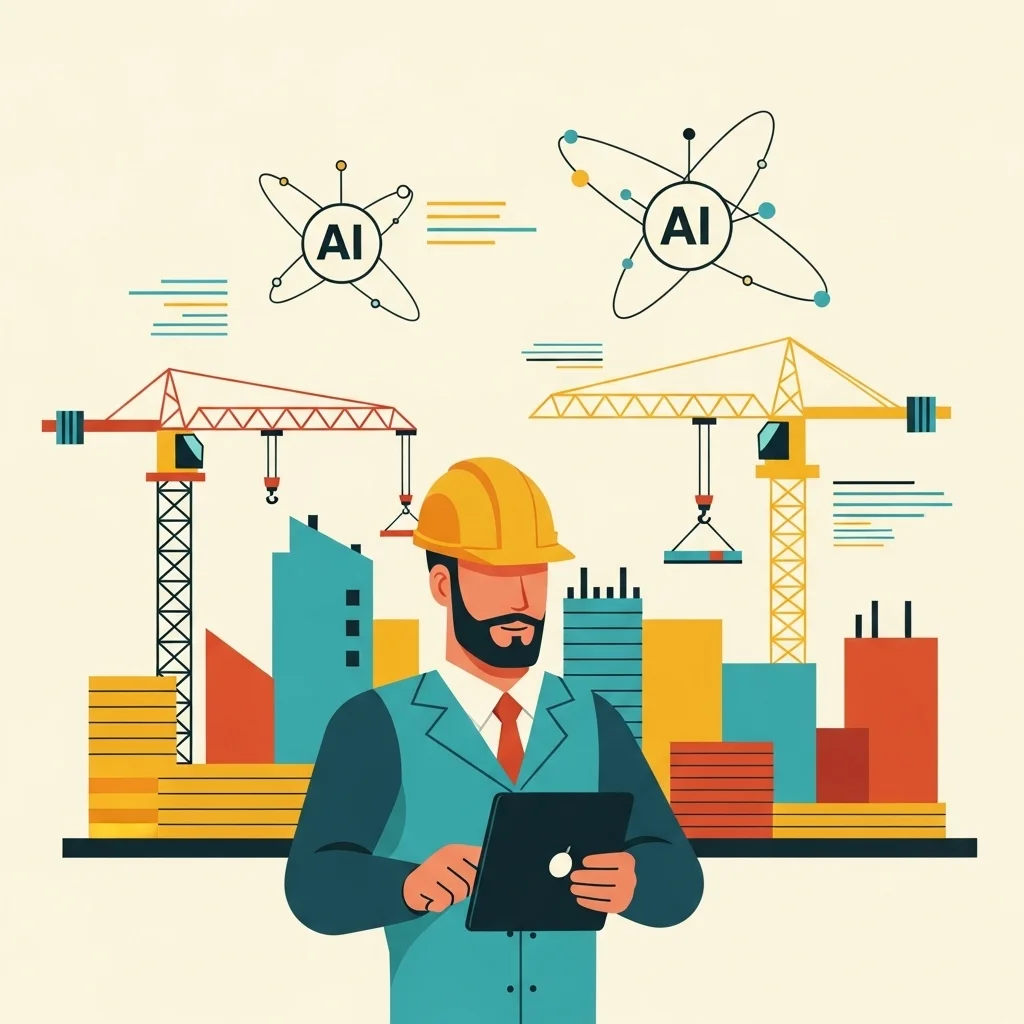
The traditional AI tool operates reactively—users must recognize a need, open the application, provide data, and initiate commands. This creates productivity limitations as the AI's potential is shackled to the user's moment-to-moment awareness.
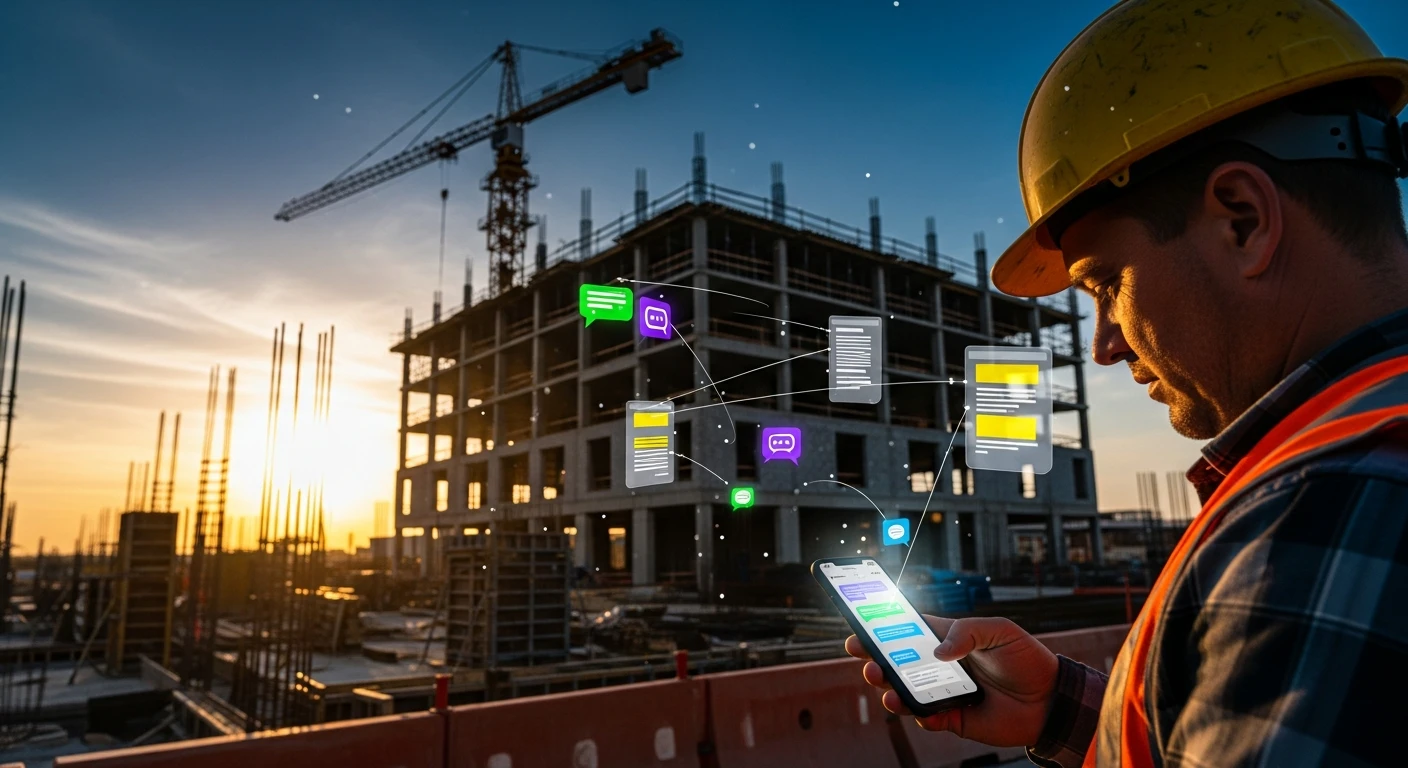
An Ambient AI Agent transforms this dynamic through event-driven activation. Rather than awaiting user direction, it responds to triggers in the digital environment—new emails, calendar invites, project updates, or CRM changes.
Practical Example: Consider how a project manager handles a Request for Information (RFI):
- Reactive approach: Jane sees an RFI email, manually opens project management software, copies content into an AI chat, pastes it into forms, and manually routes it.
- Ambient approach: The AI detects the RFI email, autonomously processes and logs it, identifies the correct engineer recipient, and sends Jane a notification: "New RFI from AquaPlumb logged...Ready for your review."
Redefining Autonomy and Verification
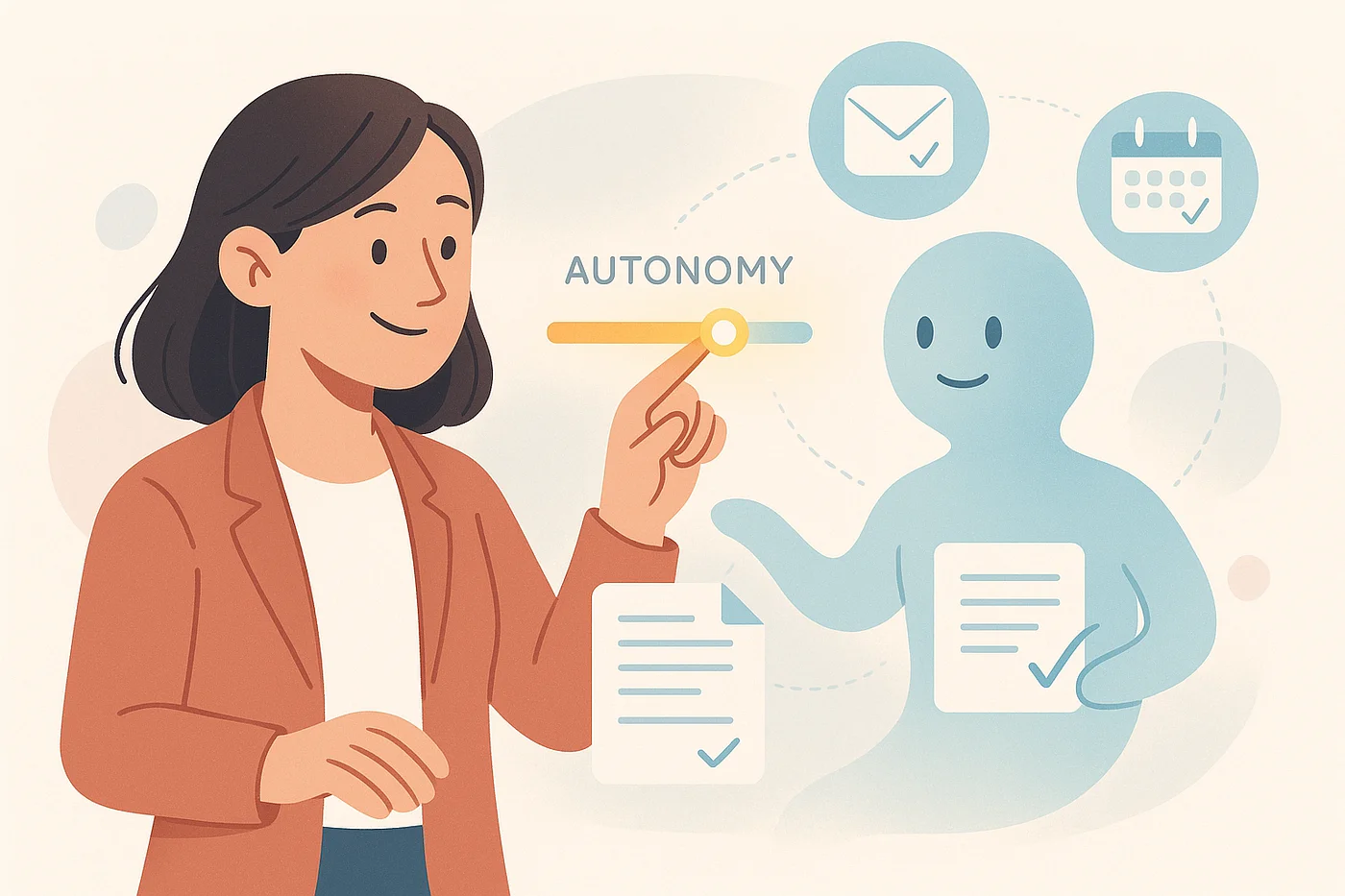
The "Autonomy Slider" and "Verification Loop" evolve from task-level controls into broader strategic rules of engagement. Rather than adjusting settings per task, users establish permissions governing what the agent can initiate.
Example configurations:
- Low autonomy: Monitor emails but require explicit commands before starting estimates
- Medium autonomy: Auto-generate preliminary estimates under $500,000 for existing clients, pending human verification
- High autonomy: Complete standard renewals for top-tier clients independently, requiring only review meetings
The "Generation-Verification Loop" becomes asynchronous and milestone-driven. Instead of second-by-second feedback, agents work independently, then present synthesized summaries at critical decision points—such as a morning briefing highlighting urgent items and falling schedules.
Building Trust with Digital Teammates
Granting background autonomy raises trust concerns, particularly regarding data quality and "black box" decision-making. The solution involves treating the agent as an ever-learning apprentice rather than an infallible system.
Progressive responsibility model:
- Start Small: Assign low-risk, high-value tasks like categorizing requests or summarizing documents
- Learn from Feedback: Each human correction (re-categorizing, editing, ignoring flags) trains the system
- Earn More Autonomy: As accuracy improves, users adjust permissions to allow drafting, analysis, or scheduling
This maintains human oversight as the ultimate backstop, ensuring that the AI's powerful capabilities are always aligned with human goals and values.
Collaboration Over Competition
The workplace AI evolution progresses from reactive augmentation tool to proactive digital teammate. Rather than replacing human workers, Ambient AI Agents handle the constant churn of monitoring, filtering, and preliminary processing, liberating workers from routine tasks.
The vision positions the future as collaborative: every knowledge worker is supported by a dedicated digital teammate, one that prepares their day, anticipates their needs, and executes routine tasks flawlessly. Humans retain responsibility for strategic thinking, creative problem-solving, relationships, and critical judgment.