5 Ways AI Can Save Time & Money for the MEP Industry
 Yael Meretyk Hanan2 min
MEP design represents a particularly error-prone aspect of the construction workflow. Engineers invest significant effort in initial design work, only to spend additional weeks managing coordination, adaptation, and clash resolution. The application of generative AI, computational design, and process automation can deliver superior outcomes while reducing uncertainty across all project stakeholders.
1. Shorten engineers' design time
Generative AI and computational resources can compress design cycles from weeks or months into hours. Automating manual tasks dramatically enhances efficiency and allows professionals to focus on critical issues requiring human expertise.
2. Cut down MEP-related RFIs
Request for Information (RFI) processes create significant project delays and expenses. On average, the cost associated with a single RFI is $1080 and the reply time is between 6.4–10 days. Superior design clarity reduces RFI volume by providing comprehensive, unambiguous information to all parties.
3. Reduce Reworks
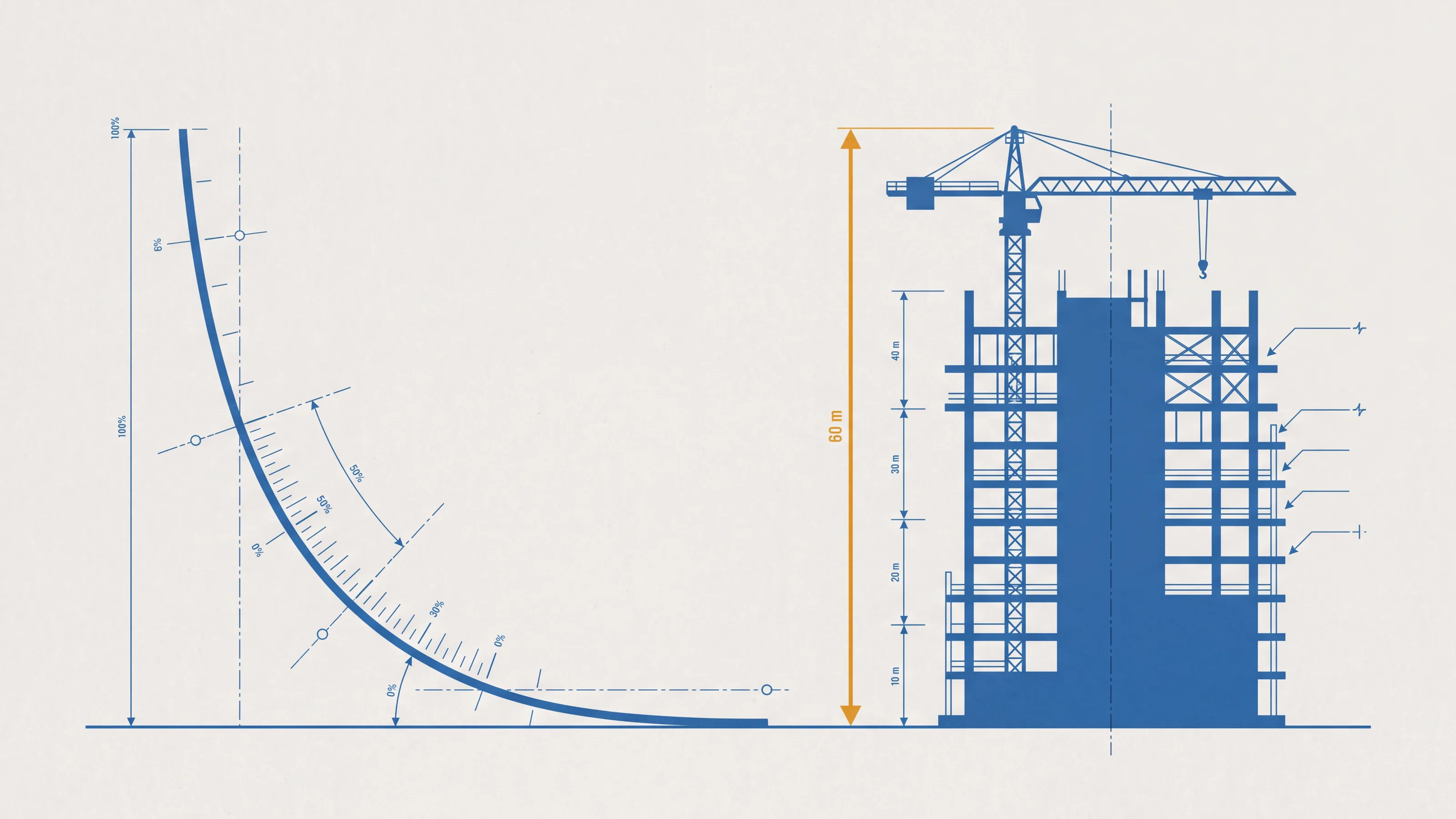
Unplanned construction work stemming from design or planning errors substantially impacts profitability. Up to 70% of all rework in construction can be traced back to engineering and design-related errors, with potential to increase profit margins by up to 6%.
4. Minimize clash detection & coordination
Automation throughout the design process reduces trade coordination conflicts as design quality improves. This approach can save $1500 per clash (detected in the design phase) while accelerating project commencement.
5. Perform design engineering and make sustainable design accessible
Accelerated design timelines enable value engineering exploration and sustainable alternatives. This democratizes energy-efficient and material-conscious design solutions as standard practice rather than premium add-ons.
The construction sector approaches an AI transformation era, with early adopters of automation tools positioned to maintain competitive advantage.